
You want a clean, consistent result from your vaporizer with as little guesswork as possible. Conduction and convection are the two heating methods that determine how heat reaches the chamber and how your vaping experience feels.
Both techniques have clear strengths, but also typical limitations that you should be aware of before purchasing and using them daily. Understanding how heat conduction, hot air, and temperature interact will help you find the right solution for your herbs and your preferences more quickly. Below, we'll discuss the essential aspects of this topic and answer frequently asked questions.
Basic principles of heat transfer in the chamber of your vaporizer
In any case, the core principle is heat transfer: energy must travel from the heating element to the herbs so that the active ingredients vaporize without combustion. The most important factor is the temperature in the chamber and how evenly it is distributed across the material or herbs. It's crucial to know that each herb has its own boiling point at which vapor is produced. A good herb guide often displays the vaporization temperature of a given herb, eliminating the need for guesswork or trial and error.
Besides the method itself, the surrounding technology also plays a role: the air path, the chamber material, the sensors, and the speed of adjustments. This is often the deciding factor between achieving even heating and preventing certain areas from overheating.
Once you understand the principle, choosing a device becomes much less mysterious. You'll quickly recognize whether a vaporizer is optimized for fast heating or for controlled, gentle vaporization with consistent vapor quality.
Conduction in the vaporizer ensures direct heat transfer to the material.
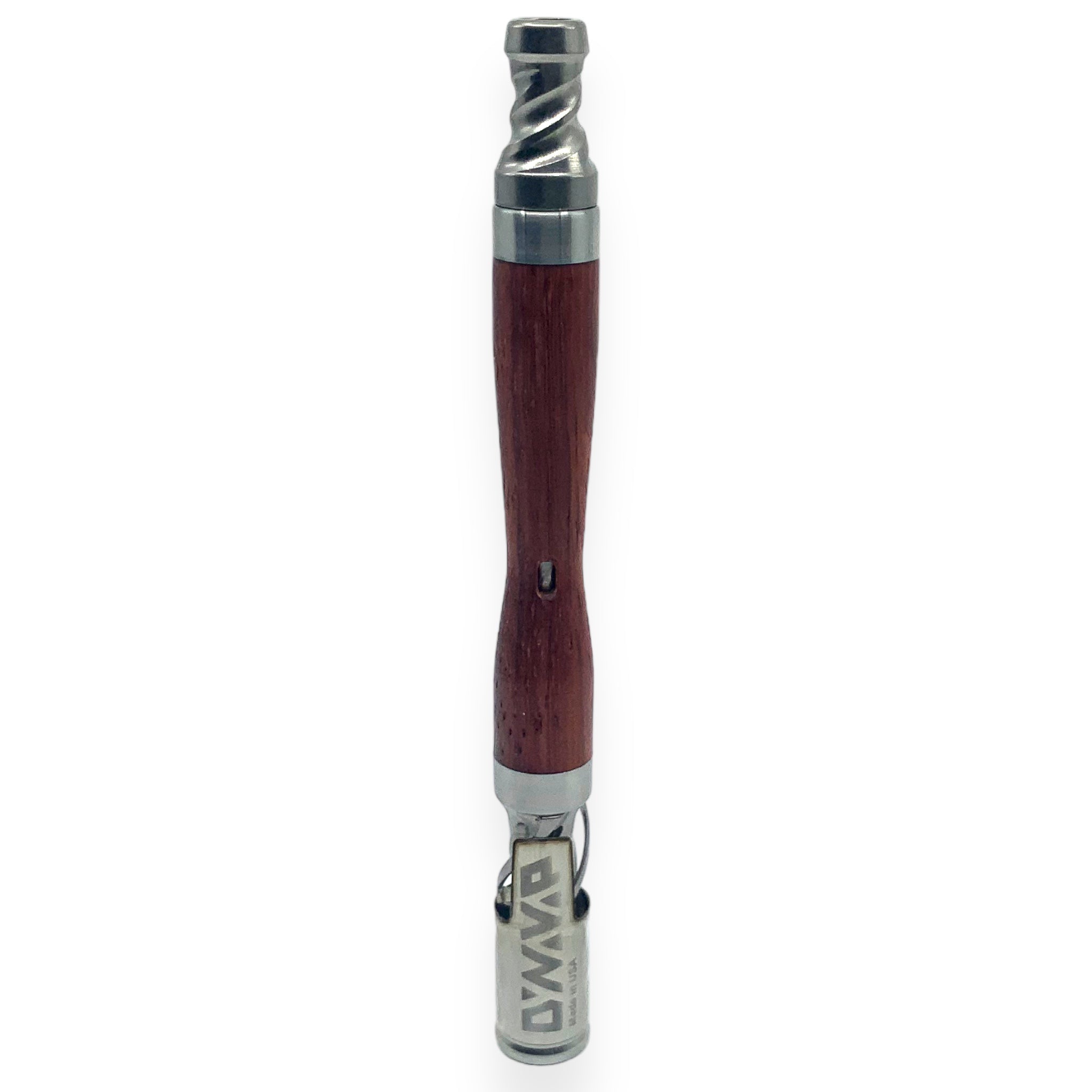
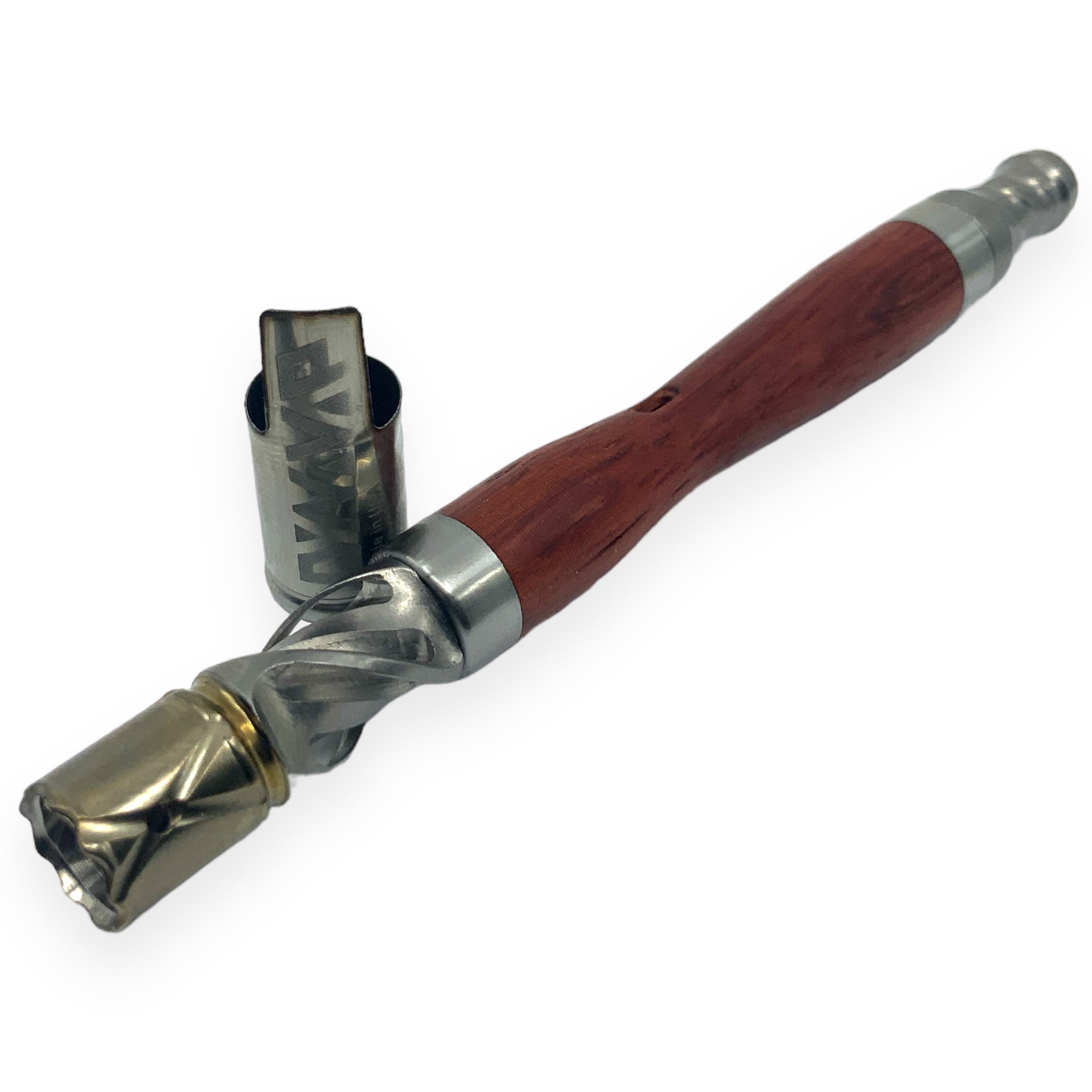
In conduction vaporization, the material is in direct contact with a hot surface, so heat conduction does the main job. A conduction vaporizer, such as the Hizen Stilus Mini, can therefore be ready to use very quickly because the heat is transferred directly to the herbs.
The advantage is a direct heating method, which can be particularly efficient with small quantities. At the same time, the risk of local hotspots increases: If you grind too finely with your grinder or pack the chamber too tightly, the heating at the contact surface can become excessive, which impairs flavor and, in extreme cases, promotes the onset of combustion.
With a little practice, you'll get the hang of it: fill evenly, don't press down, stir occasionally (if your vaporizer allows for this when used for hemp flowers and other herbs), and adjust the temperature in small increments. Pure conduction vaporizers often reward clean technique with denser vapor, but require more attention during handling.
Convection in the vaporizer uses hot air for gentle vaporization.
Convection means that hot air flows through the herbs, heating them in the process. In short: What is convection? It's a form of heating where heat is transferred primarily through airflow rather than direct contact.
What does convection mean in practice? Usually, you have to draw a bit more actively to ensure the air actually moves through the material, and some devices have a longer warm-up time until the airflow reaches a stable temperature. In return, you often get more even heating, fewer hot spots, and often a cleaner flavor because the herbs aren't sizzling against a hot wall.
If you're wondering what convection means or what it is: In everyday terms, it mainly means that your inhalation technique greatly influences the amount of vapor produced. A convection vaporizer (such as the Mighty Medic+) is therefore popular if you value smooth vaporization and better flavor.
Convection vs. conduction: how to recognize the difference in everyday life
The difference between convection and conduction is immediately apparent in two aspects: heat-up time and consistency over multiple puffs. Conduction often delivers visible vapor more quickly, while convection feels more controlled during longer sessions.
Direct comparison of heating principles in vaporizers
|
Criterion |
Conduction |
Convection |
|---|---|---|
|
Starting pace |
fast heating time, dense vapor quickly |
Often longer heating time, but stable |
|
Vapor quality |
strong, can become sharper if mistakes are made |
often even vaporization, mild |
|
The taste |
Good, but more dependent on technique |
often very clear, especially at low temperatures |
|
flexibility |
good for short draws, micro-sessions |
strong for session draws, even with larger quantities |
|
risk |
higher risk of hotspots and combustion |
usually lower if the air path stays clean |
|
The chamber can burn in faster. |
Airflow is important, otherwise efficiency decreases. |
In everyday life, convection or conduction isn't a matter of belief, but rather a matter of routine. If you frequently switch the heating on and off, conduction may be advantageous; if you tend to draw more consciously and evenly, convection will come out on top.
When comparing dry herb vaporizers, you'll often see this discussion as convection vs. conduction vaporizers. The important thing to remember is that many modern vaporizers use a combination of both principles, so you don't have to make as many compromises in everyday use.
Convection vaporizers and conduction vaporizers – the right solution according to your preference
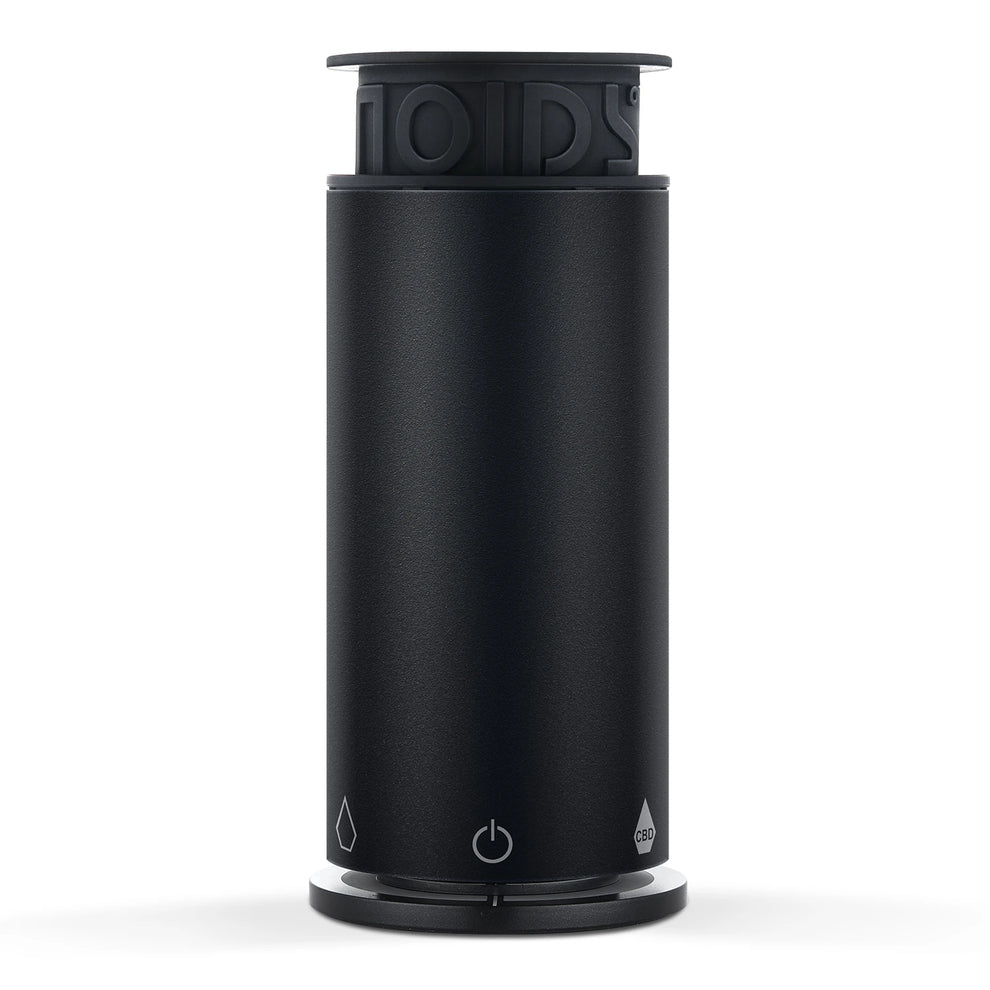
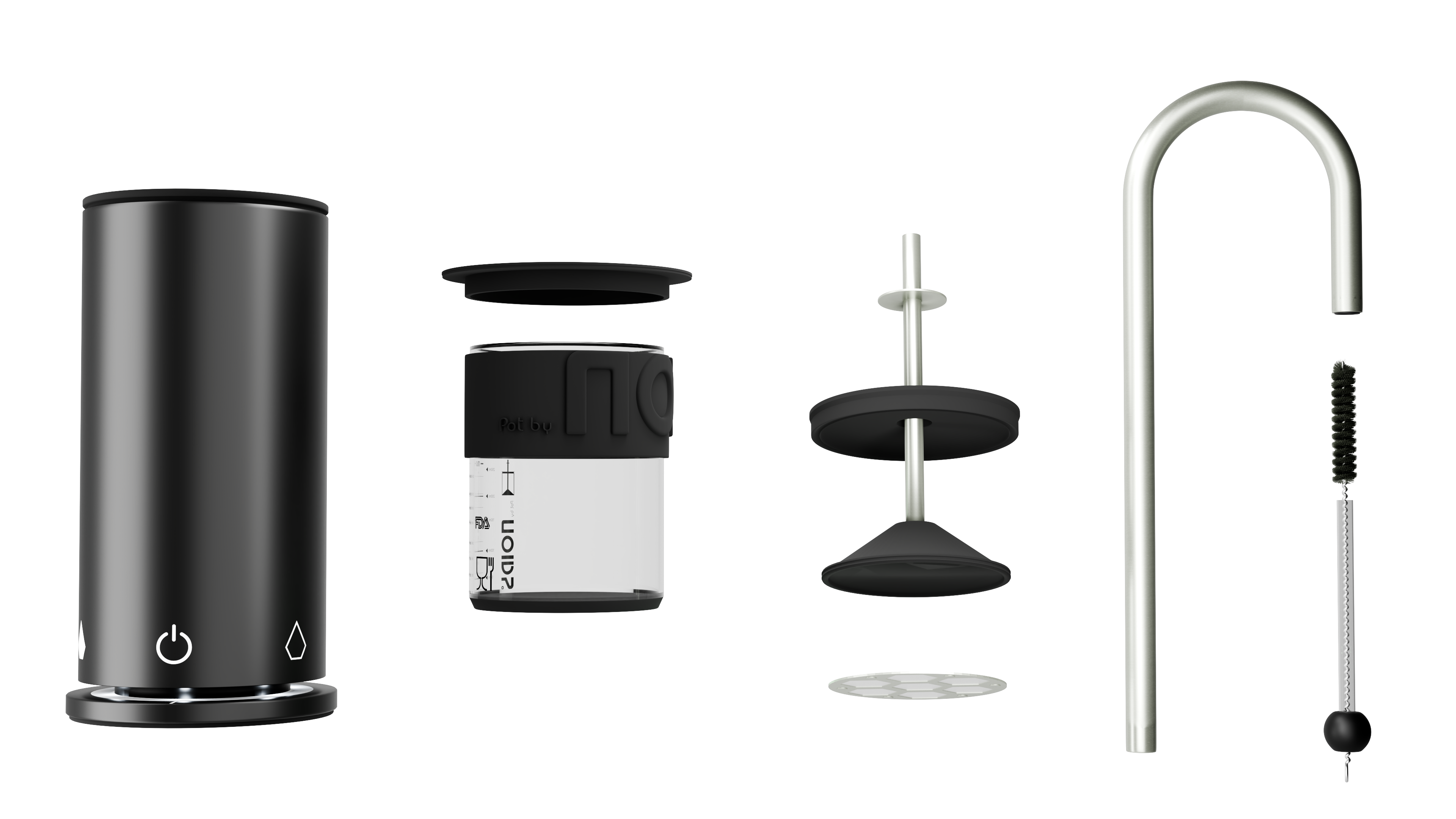
On the market you'll find convection vaporizers, conduction vaporizers, and many hybrid devices, such as the Norddampf Hammah, which combines both. The choice depends less on marketing and more on what you actually need: short, discreet puffs or a consistent vapor experience lasting several minutes.
This is how you find the right solution before you buy.
-
If you are often on the go, a simple, robust method with a fast heating time is helpful.
-
If you primarily use it at home, greater flexibility in terms of temperature and draw style is often more important.
-
If you are sensitive, convection may be the gentler option because it generates less contact heat.
-
If you want dense vapor, conduction can be very efficient if you fill it cleanly.
-
If you dislike stirring, devices with even heating are advantageous.
-
If price is critical for you, compare not only the purchase price, but also maintenance and cleaning costs.
For many, the question of "conduction or convection vaporizer" ultimately comes down to a mix of budget, convenience, and desired flavor. A good hybrid can offer a lot of versatility, allowing you to cover both quick hits and longer sessions.
Incidentally, conduction in medicine is not an exotic topic: In medicine, conduction is used as the principle of heat transfer, for example in heat therapy or targeted cooling. For vaporizers, this doesn't automatically mean they are medically relevant, but it shows that the underlying physics is very well understood.
Prepare herbs optimally for vaporization to ensure better vapor quality
Good herbs for vaporization require proper preparation to ensure effective heat transfer. Dry herbs vaporize differently than slightly moist ones because water initially draws energy and buffers the temperature within the material.
Preparation steps for optimal evaporation
-
Use a medium-fine grind to ensure even airflow and heat distribution. Tip: The Vapotools by 157Grad Ceramic Ultra Grinder delivers excellent grinding results.
-
Fill the chamber loosely so that the airflow is not blocked.
-
For convection: pull evenly so that the hot air works constantly.
-
With conduction: avoid pressure so that not only the contact surface overheats.
-
Start at a lower temperature, then gradually increase it.
-
Clean it regularly so the vapor doesn't taste like old material. Buying isopropanol can definitely be worthwhile.
-
After a few puffs, check the color: even evaporation usually appears light brown, not black.
If you proceed this way, the vapor quality will noticeably improve and you'll utilize the active ingredients more efficiently. Many people underestimate how much small things like fill level, material density, and a clean chamber influence the result.
Ideally, you adapt your routine to the situation: short sessions, long sessions, or microdosing. This flexibility is precisely what makes the difference between just getting by and consistently achieving good results.
Conclusion: With the right heating principle, your vaping experience becomes predictable.
Conduction and convection are two paths to the same goal: releasing active ingredients without compromising flavor or material. If you want to get started quickly and have mastered your technique, conduction can be extremely efficient; if you prefer smoother draws and clearer flavors when vaporizing, convection is the better choice.
Ultimately, a simple rule will help you: Choose the technique that suits your daily routine, not the one that sounds best on the spec sheet. Once you understand how your chamber works, you'll achieve significantly more consistent vaporization, regardless of the device, and therefore more control over your results.