The way a vaporizer transfers heat to herbs defines the entire vaping experience. In a conduction vaporizer, this happens primarily through direct contact with a heated surface. This distinguishes this heating technology significantly from convection, where hot air flows through the plant material.
In this guide, you will learn how conduction works, what its advantages and limitations are, and how it differs from convection and hybrid devices. We will also look at mechanical vaporizers like DynaVap and ball vapes, give you practical usage tips, and help you choose. At the end, we answer frequently asked questions about heating methods, hybrid vaporizers, and choosing the right vaporizer.
Conduction brings the heat directly to your herbs
With conduction, the chamber of the vaporizer heats up and transfers its heat directly to the loaded herbs. The material touches the base or walls of the chamber and absorbs the energy through this contact. This form of heat transfer is similar to the principle of a frying pan: the heated surface transfers its energy directly to the material.
A vaporizer using conduction therefore does not require a strong airflow to bring the herbs up to temperature. Many compact vaporizers use this method because the heating chamber can be built in a space-saving manner. A fast heat-up time is also frequently possible.
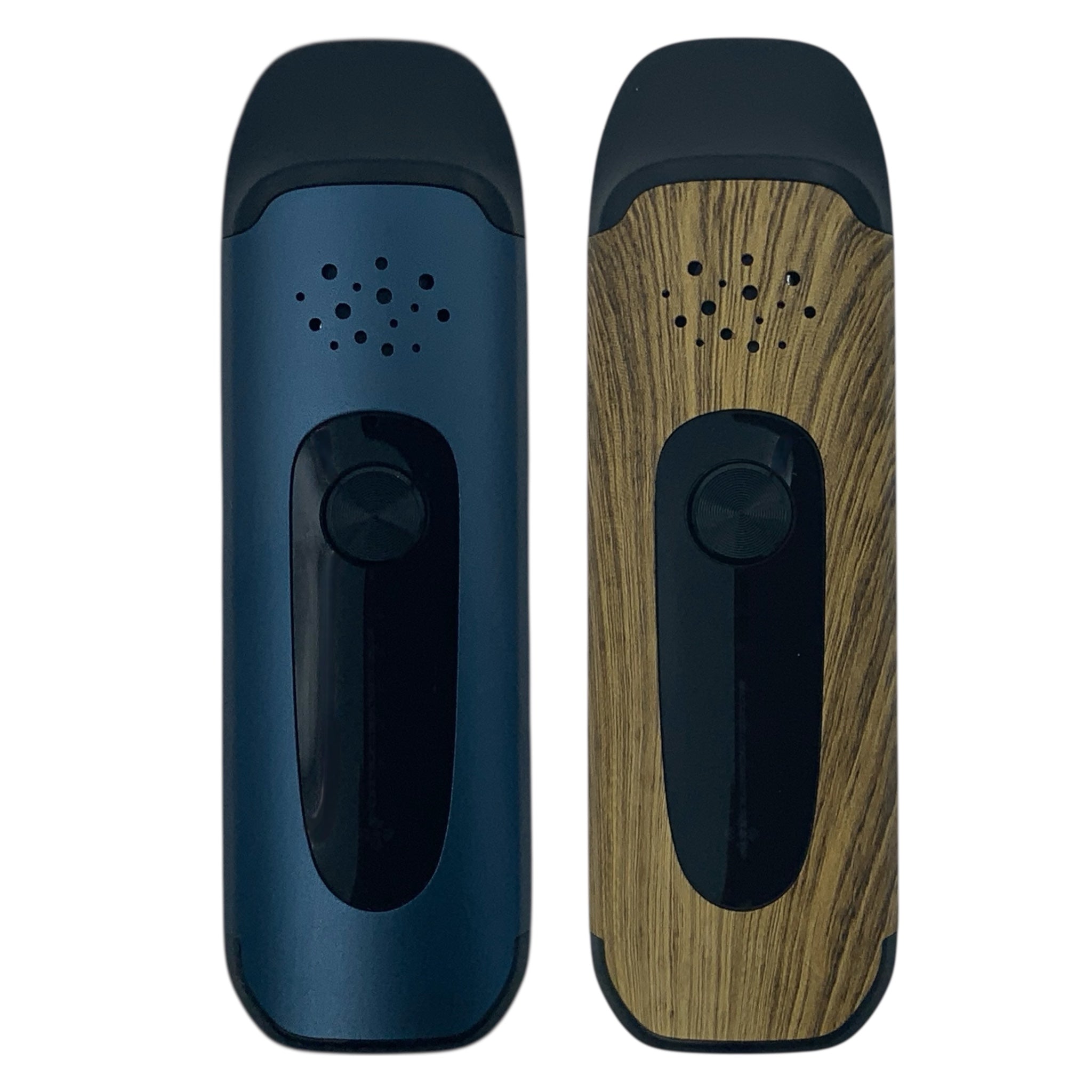
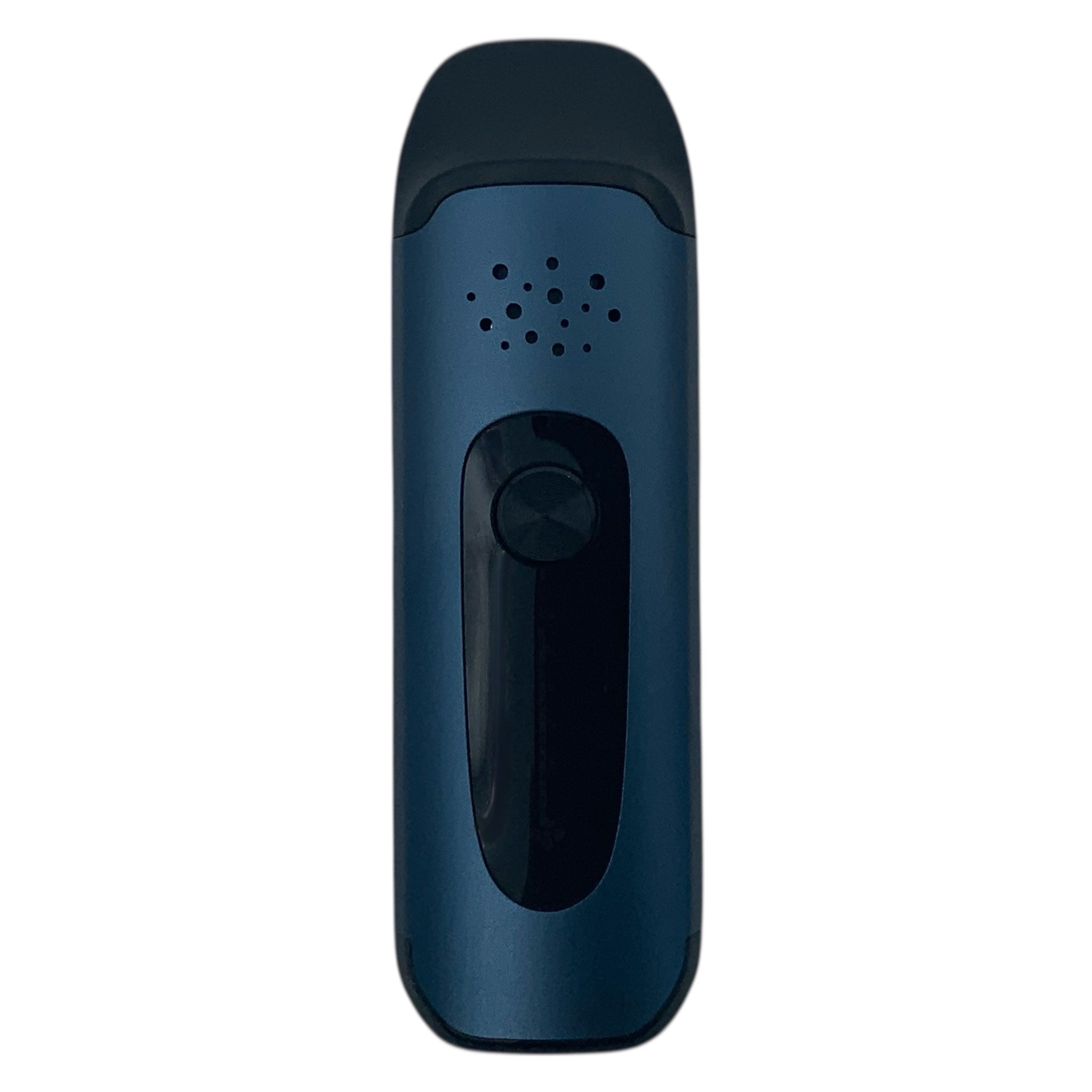
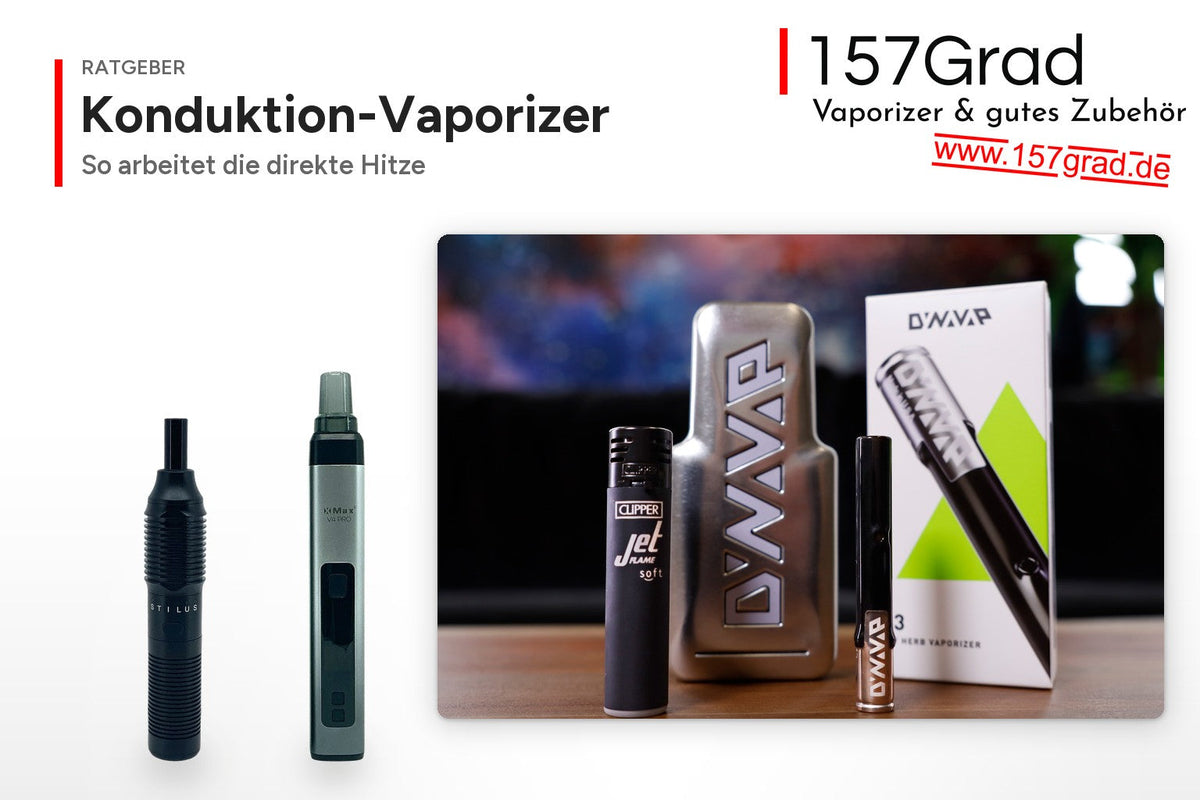
It is important to distinguish between the energy source and the heating principle. An electrical device, such as the XMax V4 Pro, can work with conduction, convection, or a combination. Even with a mechanical model, the heating method alone does not determine how the heat subsequently reaches the plant material.
Direct heat conduction shapes flavor, vapor, and the session
Direct heat conduction begins where the herbs touch the hot chamber. Material at the walls therefore usually reaches its temperature sooner than plant material in the center. With pure conduction vaporizers, even heating depends more heavily on how carefully you fill the chamber.
The grind consistency also influences the result. Herbs that are too coarse may have less contact with the heating surface. A very dense pack, in turn, can make the draw more difficult. For longer sessions, it is worth moving the material carefully in between with some devices. It therefore makes sense to pay attention to a good grinder, with which the herbs are ground beforehand.
How to get more out of your heating chamber
-
Distribute the herbs as evenly as possible so that all areas receive a similar amount of heat.
-
Do not pack the chamber so tightly that air can barely flow through it.
-
Start at a moderate temperature and increase it gradually if necessary.
-
Stir the material during longer sessions if your model tends toward uneven browning.
-
Avoid unnecessarily long pauses with a heated chamber, as the heat continues to act on the herbs even without drawing.
-
Regular vaporizer cleaning keeps the air path and heating chamber clear and supports consistent vapor quality.
This is how the efficiency of a conduction vaporizer can be influenced, among other things, by filling and session tempo.
Advantages of conduction vaporizers in daily use
One of the most important advantages is ease of use. Switch on the device, select the temperature, heat up, and draw: many conduction vaporizers require no special inhalation technique. This makes compact models especially popular when on the go.
However, the constantly warm chamber also has a downside. If you take longer breaks, the plant material remains exposed to the heat. As a result, flavor can be lost even though you are not currently drawing. With unfavorable temperatures or very long heating times, the risk also increases that individual areas will be more heavily toasted. A higher risk of combustion exists primarily if the temperature control or usage does not suit the device.
Strengths and limitations in direct comparison
|
Feature |
Advantage |
Possible Limitation |
|---|---|---|
|
Heat-up time |
Often short wait time |
The chamber stays hot even during breaks |
|
Operation |
Usually uncomplicated usage |
The filling has a greater influence on the result |
|
Flavor |
Direct and strong vapor possible |
Late draws may taste more roasted |
|
Vapor quality |
Rapid vapor development |
Hot spots are possible with some designs |
|
Efficiency |
Good usage with the right session tempo |
Long breaks can continue to heat active ingredients |
|
Price |
Many compact models are available |
The heating technology alone says little about overall quality |
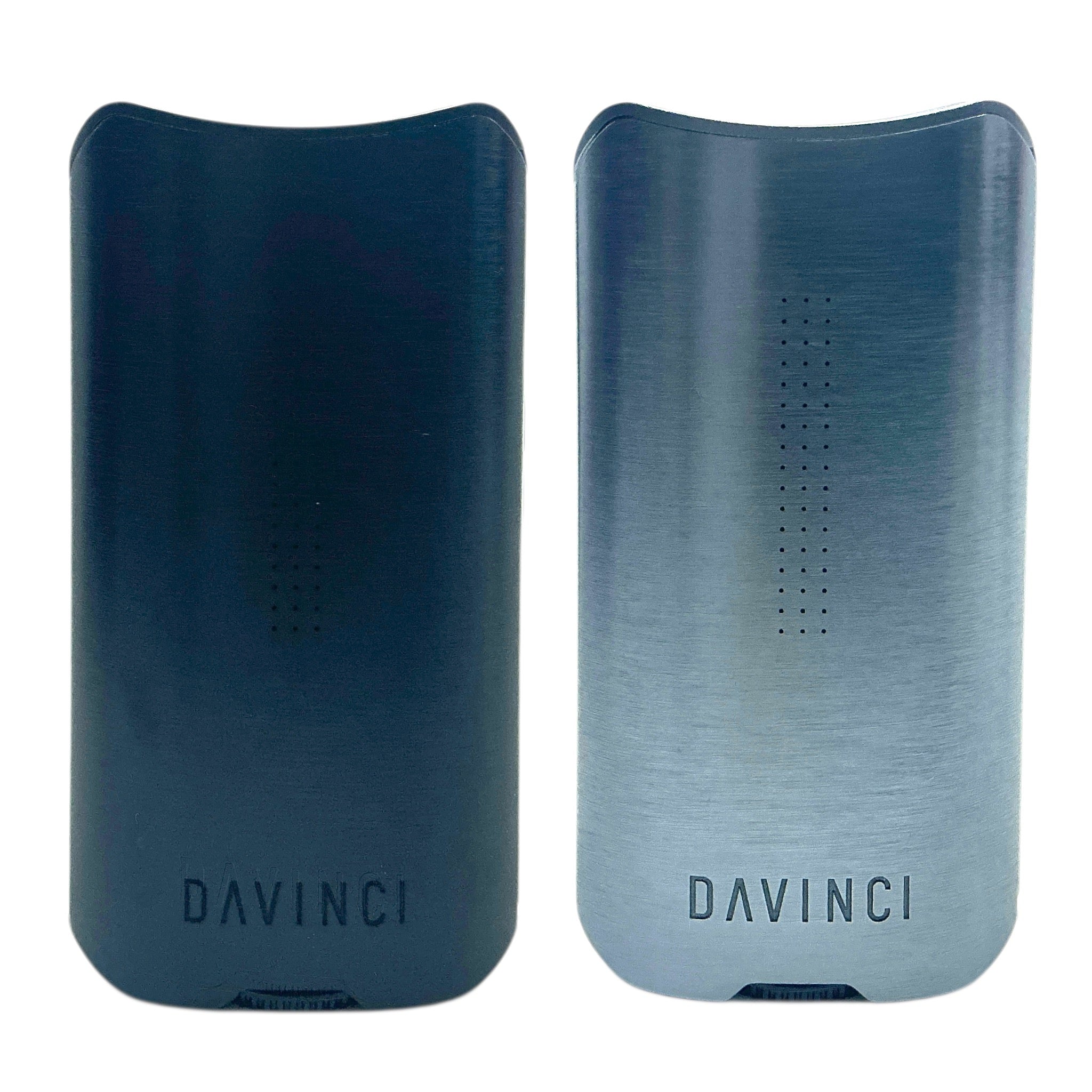
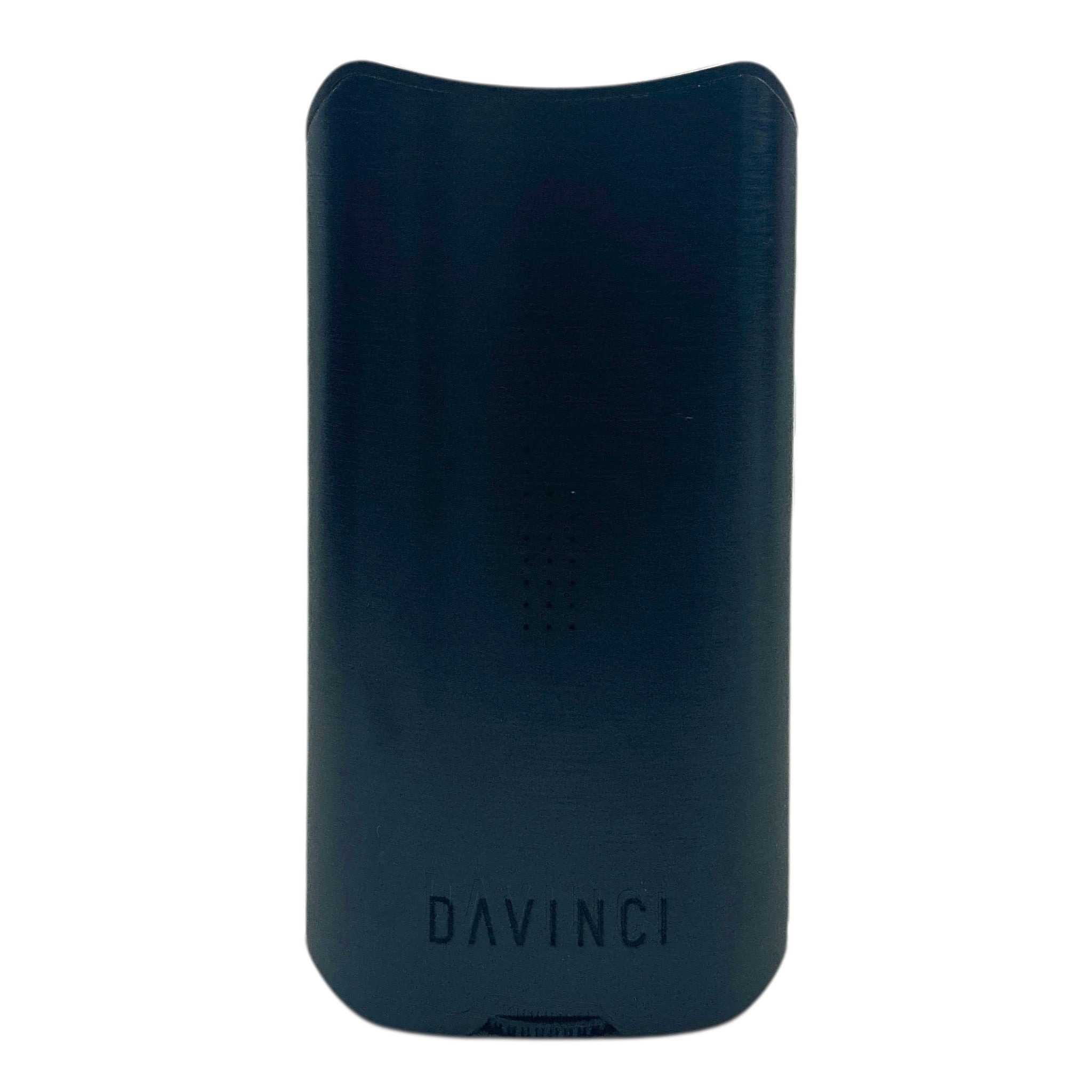
Popular conduction vaporizers, such as the DaVinci IQ3, often appeal to users who prefer short sessions and direct response. Nevertheless, price should not be the only criterion when buying.
Convection relies on hot air instead of direct contact
With convection, the air performs the majority of the heat transfer. The vaporizer heats it before it flows through the herbs. As a result, the actual heating occurs more during the draw. A convection vaporizer can therefore react differently to draw speed and duration than a device with direct heat conduction.
When comparing convection and conduction vaporizers, there is no single winner. Convection can promote pure flavor and gentle vaporization because the material lies less permanently against a hot surface. In return, a convection vaporizer may have a longer heat-up time or rely more heavily on proper inhalation technique.
Conduction, convection, and hybrid at a glance
|
Heating Type |
Heat Path |
Contact |
Air |
Typical Character |
|---|---|---|---|---|
|
Conduction |
Heating chamber releases heat directly |
High |
Supportive |
Direct and fast vapor development |
|
Convection |
Heated air transports heat |
Low |
Central |
Even, draw-dependent extraction |
|
Hybrid |
Both principles work together |
Medium |
Important |
Balanced ratio of direct heat and airflow |
Whether convection or conduction suits you better depends on your preference. The method is not solely responsible for better vapor quality; construction, air path, temperature control, and operation count just as much.
Hybrid vaporizers get the best of both heating types
Hybrid vaporizers combine conduction and convection. The chamber can warm the material via direct contact while additional hot air flows through the load during a draw. This combination increases versatility because two types of heat transfer work together.
However, "hybrid" does not automatically mean a 50/50 split. Some devices operate more conductively, others rely mainly on convection. A model may therefore noticeably release heat to the herbs even before the first draw, while another delivers the majority of the energy only with the airflow.
For optimal vaporization, it is therefore worth looking at the specific construction. Those who want as little ongoing heating as possible during pauses often prefer a more convection-based system. Those who expect powerful vapor quickly may fare better with a higher conduction component.
DynaVap, Ball Vape, and Co. show the differences most clearly
Mechanical vaporizers illustrate well why the heat source and heating technology must be considered separately. A classic DynaVap is heated from the outside. The metal stores the heat and transfers a large portion of it to the herbs. At the same time, air flows through the heated system when drawing. Such a vaporizer therefore does not work exclusively conductively but also possesses a convective component.
Ball vapes work differently. Their heated balls store a great deal of thermal energy and primarily heat the air that then travels through the plant material. Many of these systems therefore operate in a highly convective manner. Depending on the design, additional contact between heated components and the bowl can still occur.
The heat path reveals more than the energy source
-
A flame only shows where the energy comes from. It does not automatically dictate which heating type dominates.
-
An induction heater warms metal contact-free, but does not automatically make the connected vaporizer a convection device.
-
With the DynaVap, the stored heat of the metal plays a major role.
-
A ball vape, such as the Tempest 2 from Mad Heaters, transfers a significant portion of its energy via heated air.
-
Electronic devices can work with pure conduction, pure convection, or a hybrid solution.
This also makes it clear why a mechanical vaporizer cannot automatically be categorized into one specific heating type.
At 157Grad you will find conduction vaporizers and plenty of alternatives
At 157Grad, you will find a large selection of conduction vaporizers as well as devices with other heating systems. These include convection vaporizers, hybrid models, and mechanical vaporizers. Devices from manufacturers like Arizer are also part of the broader vaporizer range.
If you would like to buy a convection vaporizer or are still wavering between different heating types, a consultation can help align your choice with your actual usage. Mobility, heat-up time, flavor, cleaning, desired vapor volume, and ease of operation can be more important than a single technical feature.
These questions help before you buy
-
Do you want short, direct sessions or longer, more draw-dependent sessions?
-
Is simple operation more important to you than maximum control over the heating technology?
-
Does pure flavor play a bigger role for you than particularly fast vapor?
-
Do you use your portable vaporizer primarily on the go or at home?
-
How important are uncomplicated cleaning and an easily accessible air path to you?
-
Do you want to combine the characteristics of both heating types? A hybrid device could be an interesting choice.
-
In a vaporizer shop with expert advice, different designs can be compared more specifically.
Conclusion: Conduction suits you if you prefer direct heat
Conduction is particularly suitable for users who prefer direct heat transfer, compact devices, and short paths to the first vapor. A conduction vaporizer can provide a powerful vaping experience, but requires some attention to filling, temperature, and session duration.
Convection works more through air and can support more even extraction. Hybrid devices, such as the Norddampf Hammah, combine both approaches. Which method suits you better depends on your preferred routine, the desired flavor, and your personal usage.