Laws surrounding hemp are changing rapidly, but "legal" doesn't mean the same thing everywhere. The question "In which countries is cannabis legal in 2026?" can therefore only be answered if possession, cultivation, consumption, dispensing, and trade are considered separately. This overview shows the situation as of August 6, 2026. It is intended as a guide and does not replace individual legal advice.
Cannabis Legal or Prohibited: How to Properly Assess the Legal Situation
A state can permit private cannabis use without allowing sales. Similarly, medical cannabis can be available as a pharmaceutical while recreational smoking remains prohibited. Canada and Uruguay have regulated adult-use models. Germany, Malta, Luxembourg, the Czech Republic, and South Africa, however, each permit only certain private, communal, or non-commercial forms.
Whether hemp is legal also depends on the THC content and its purpose. Industrial hemp, cannabis seeds, and medical use are often subject to different rules than intoxicating cannabis. Classification as an intoxicant therefore does not automatically apply to every product from the hemp plant. For example, there are also delicious space cookies with cannabis but without THC. A headline about hemp legalization says little about whether you are allowed to buy, cultivate, or publicly consume cannabis.
These points show you what is actually permitted
-
Check what quantities adults are allowed to possess publicly and in private.
-
Pay attention to whether home cultivation is allowed and how many plants are permitted per person or household.
-
Clarify whether cannabis is legally sold or only available through cultivation associations, pharmacies, or state-regulated bodies.
-
Distinguish between private and public consumption, as separate prohibitions often apply to parks, pedestrian zones, and events.
-
Note the minimum age and specific regulations for youth and health protection.
-
Check whether the regulation also applies to tourists or requires residency, registration, or a medical prescription.
-
Inform yourself about regional differences, as federal states, provinces, Länder, or municipalities can impose additional restrictions.
Legalization and Decriminalization: These Differences You Absolutely Should Know
With legalization, the law explicitly defines which actions are permitted. Partial legalization, for example, restricts this to home cultivation, private consumption, or non-profit clubs, such as Cannabis Social Clubs. Decriminalization usually only means that a small amount of cannabis for personal use is no longer prosecuted or is merely treated as a minor offense. This does not automatically make the behavior permissible.
Portugal has decriminalized small amounts for personal use but has not created a legal recreational market. In the Netherlands, coffee shops are tolerated, while a state experiment is testing a controlled supply chain in selected municipalities. Spain operates in a legally limited environment regarding private consumption and Cannabis Social Clubs; therefore, as a tourist, one should not simply assume that one is allowed to smoke weed there. Mexico has official permits for personal use but no generally accessible commercial market. Thailand now generally permits cannabis flowers only for medical purposes with a prescription.
Cannabis in Europe: These Countries Permit Possession, Cultivation, or Consumption
In Europe, models range from private home cultivation to strict prohibition. Malta tolerates up to seven grams for adults in public, up to 50 grams at home, and a maximum of four plants per household. Access through registered associations is not open to tourists. Luxembourg also permits up to four plants per household and consumption in private. Switzerland is testing regulated dispensing only in scientifically monitored pilot projects.
France, Italy, Poland, Denmark, Romania, Bulgaria, Hungary, Lithuania, and Cyprus do not allow a general recreational market. In Belgium, Norway, and the United Kingdom, non-medical cannabis consumption also generally remains illegal. Medical cannabis may be available depending on the country. However, availability, approved products, and actual access differ significantly.
Germany and Czech Republic: These Rules Apply to You in Everyday Life
The cannabis legalization in Germany is currently a partial legalization. Adults are allowed to possess up to 25 grams in public and up to 50 grams at home, as well as cultivate up to three plants. The Cannabis Act also permits the establishment of cultivation associations, often called Cannabis Clubs. Free sale in shops or mail-order of recreational cannabis is not provided for. Youth protection, consumption bans, and club regulations apply nationwide, while the federal states organize authorities and controls.
Therefore, hemp legalization in Germany does not mean that hemp is freely available everywhere in Germany. Even with legal possession, consumption in a prohibited place, impermissible transfer, or excessive quantities can constitute a minor offense or a crime.
The Czech Republic expanded its rules on January 1, 2026. Adults aged 21 and over may cultivate up to three plants, store up to 100 grams at home, and possess up to 25 grams outside the home. However, the Czech Republic has not created a regular commercial sales market.
The Big Country Comparison Shows You All Important Rules at a Glance
The table provides a simplified guide. "Permitted" never automatically refers to sale, import, or public consumption.
Important note: The following table provides a simplified summary of the researched status as of August 6, 2026, and is intended for general orientation only. Laws, regional regulations, possession limits, access requirements, and official practices regarding broccoli can change at short notice. The information does not constitute legal advice. Therefore, before buying, possessing, cultivating, consuming, or importing/exporting cannabis, always check the current regulations of the responsible authorities in the respective country and, if applicable, in the relevant region or municipality.
|
Country |
Short Status 2026 |
Possession and Cultivation |
Legal Source |
|---|---|---|---|
|
Germany |
Partially legalized |
25 g public, 50 g at home, 3 plants |
Home cultivation and cultivation associations |
|
Malta |
Private use partially legalized |
7 g public, 50 g at home, 4 plants |
Registered associations, not for tourists |
|
Luxembourg |
Private permitted |
4 plants per household |
Home cultivation, no regular recreational market |
|
Netherlands |
Toleration plus pilot project |
Coffee shop rules, home cultivation not generally legal |
Tolerated coffee shops and experimental supply chain |
|
Portugal |
Decriminalized |
Small amount for personal use, cultivation remains prohibited |
No legal recreational sales |
|
Spain |
Private sphere limited tolerance |
Public possession and consumption punishable |
Clubs in a legal gray area |
|
Czech Republic |
Possession and home cultivation permitted |
25 g outside, 100 g at home, 3 plants |
No general sales market |
|
Belgium |
Not legalized |
Small cases sometimes lower priority |
No legal recreational market |
|
France |
Recreational use prohibited |
No legal home cultivation |
Medical access severely restricted |
|
Italy |
Recreational use prohibited |
Personal possession can trigger administrative sanctions |
Medical access |
|
Poland |
Recreational use prohibited |
No legal home cultivation |
Medical access |
|
Denmark |
Recreational use prohibited |
Possession remains punishable |
Medical program |
|
Romania |
Recreational use prohibited |
No legal home cultivation |
Very limited medical use |
|
Bulgaria |
Recreational use prohibited |
Possession and cultivation punishable |
No general access |
|
Hungary |
Recreational use prohibited |
Possession and cultivation punishable |
Very restricted medical use |
|
Lithuania |
Recreational use prohibited |
Possession remains punishable |
Certain medical products |
|
Cyprus |
Recreational use prohibited |
Possession remains punishable |
Controlled medical access |
|
Switzerland |
Prohibited outside pilot projects |
No general home cultivation |
Pilot projects and medical access |
|
Norway |
Recreational use prohibited |
Possession remains illegal |
Medical access limited |
|
United Kingdom |
Recreational use prohibited |
Possession and cultivation without license illegal |
Cannabis prescribed by specialist doctors |
|
Canada |
Federally regulated |
Up to 30 g public, up to 4 plants according to provincial law |
Licensed stores |
|
Uruguay |
Federally regulated |
Registration and quantity limits |
Pharmacies, home cultivation or clubs for residents |
|
USA |
Varies by state |
State-level approvals, federal law remains relevant |
Only according to the law of the respective state |
|
Mexico |
Personal use possible with limitations |
Permit model for adults |
No general recreational market |
|
South Africa |
Private use permitted |
Private possession and cultivation |
Sale not generally legal |
|
Thailand |
Medical use |
Cannabis flowers generally only with prescription |
Medical access |
|
Australia |
Predominantly prohibited |
Regional exception in the Australian Capital Territory |
Medical access |
|
New Zealand |
Recreational use prohibited |
No legal home cultivation |
Medical access with prescription |
|
Morocco |
Medically and industrially regulated |
No legal recreational use |
Licensed medical and industrial chain |
Cannabis Abroad: So You Don't Cross Any Borders When Traveling
Legal cannabis remains a risk when crossing borders. Even between two states with liberal rules, importation may be prohibited. This also applies to Canada, Malta, the Netherlands, and many US states. In Thailand, travelers need a valid local prescription for cannabis flowers. Those carrying medical cannabis require medical certificates or permits, depending on the destination and transit country.
Before traveling, check the permitted possession quantity, cannabis rules on airplanes or at the airport, customs regulations, consumption bans, and club membership conditions. Do not drive under the influence. The legal situation abroad can change at short notice.
Enjoy legal cannabis: Vaporizers and accessories from 157Grad for you
A vaporizer heats legal cannabis or prescribed medical cannabis without burning the plant material. However, this does not imply a health promise. The operating instructions, an appropriate temperature, and lawful use are crucial.
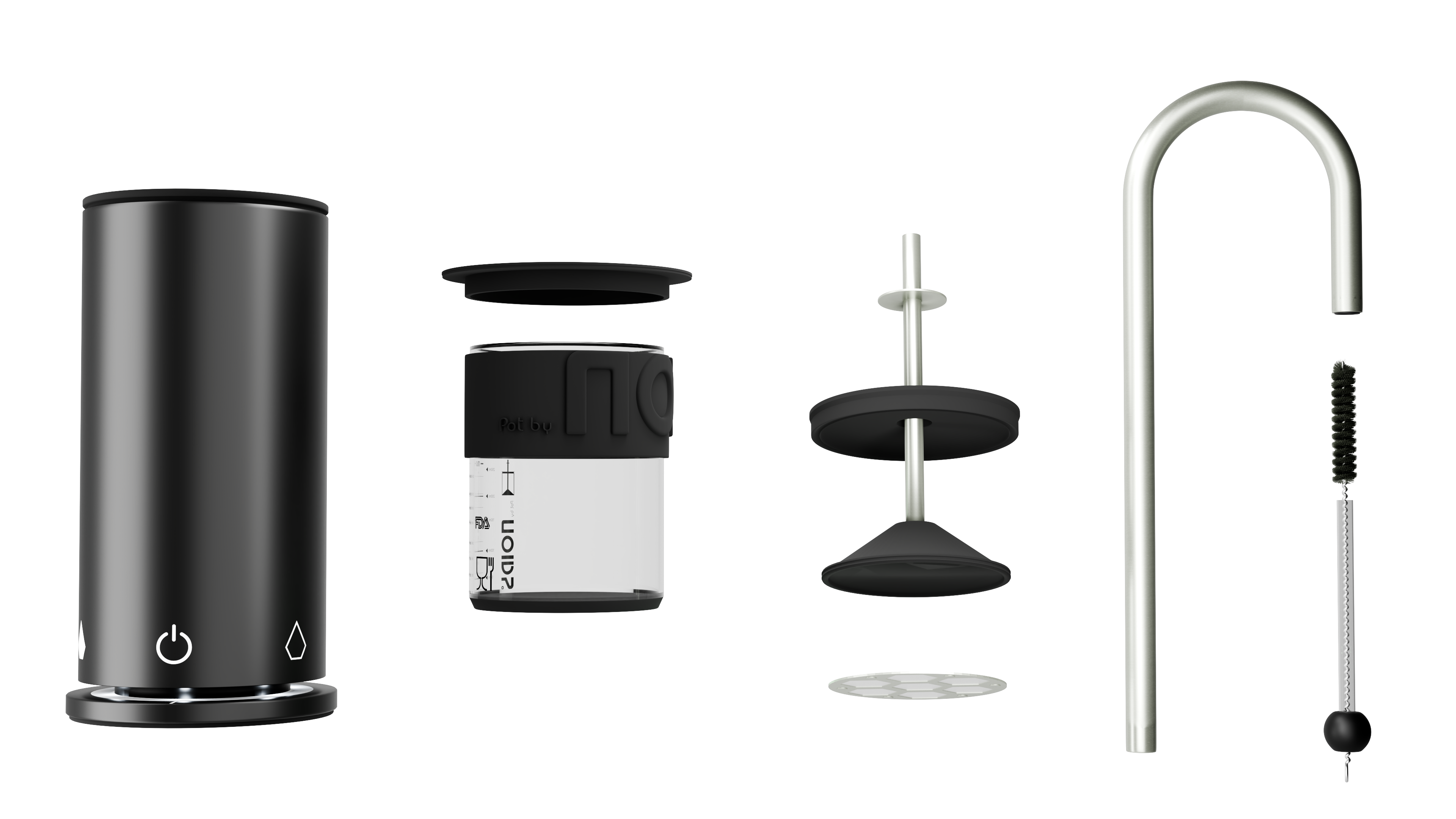
At 157Grad, you'll find good vaporizers as well as grinders, dosing capsules, storage solutions, cleaning accessories, and spare parts. The accessories facilitate dosing, care, and storage within legal limits. Only use suitable herbs and keep the device and vapor path clean.
Conclusion: How to recognize where cannabis is truly legal
Global development is inconsistent. Canada and Uruguay have the most comprehensive national recreational models. Other countries only permit possession, private cultivation, medical use, or club-based distribution. Therefore, when it comes to legal cannabis, you should never conclude complete freedom from a single permit.
Always check the current laws of the country before buying, cultivating, consuming cannabis, or traveling. This way, you can determine whether it's merely decriminalization or if legal cannabis is actually regulated and available.