
Few symbols embody relaxation, culture, and controversy as much as the joint. What is a joint? This seemingly simple question opens the door to a whole world of history, pleasure, technology, and responsibility. There's far more to it than meets the eye, between smoke, ritual, and modern vaporization.
This article explains how the joint has evolved from a hand-rolled classic to a more thoughtful form of consumption. You'll learn about its structure, effects, differences, and alternatives, and at the end, you'll find helpful FAQs that answer your most important questions.
What is a joint? Origin, definition, and typical characteristics
What is a joint? Many people ask themselves this question when they first hear about cannabis products or try rolling their own for the first time. A joint is a hand-rolled cigarette made from rolling papers, a small filter, and a mixture of marijuana, tobacco, or dried herbs. Unlike commercially produced cigarettes, you determine the ratio of ingredients and the quality of the filling yourself. It can be consumed purely herbal or contain nicotine, depending on whether you add tobacco or prefer pure herbs.
In many cultures, the bag is a symbol of freedom and shared experiences. Whether at a festival or in a social setting, it represents relaxation and mindful enjoyment. The so-called intoxicating effect of cannabis products is triggered by the activation of certain plant compounds when heated; its intensity depends on the composition, dose, and individual reaction.
Despite its cultural significance, cannabis use remains a sensitive topic, and many prefer to learn about it theoretically, for example, through books on cannabis . Those who delve into the theoretical aspects of smoking cannabis should know that quality, materials, and accessories like rolling papers or a grinder all influence the outcome. This knowledge helps to understand the process objectively without encouraging consumption.
History of the joint and its development into a cult form
The history of the joint begins long before its current popularity. Even in early cultures of the Americas and later Europe, marijuana was consumed in various ways, often as a spiritual or medicinal practice. The consumption of smoking plants was less about leisure and more about ritual practices and social customs. It was only with the global spread of tobacco that new hybrids emerged, paving the way for the modern joint.
In the 1960s, the joint became the symbol of an entire movement. The hippie and music scenes made smoking cannabis an expression of freedom, creativity, and social protest. This period also saw the emergence of open marijuana trade, which transformed the substance into a cultural statement. Cannabis use was discussed, researched, and increasingly became part of public debates about risk, addiction, and personal responsibility.
Today, the joint is no longer seen as a purely countercultural symbol, but as an established recreational practice. Some view the joint culturally as a symbol of community or relaxation, while others view it critically in comparison to alcohol and other substances. Today, education about the risks is paramount. The approach to possession and consumption has changed, but remains closely linked to education, health, and social responsibility.
Structure and composition of a classic joint in detail
A classic joint consists of a few, but crucial, elements. Its preparation begins with finely ground cannabis, which you spread evenly onto the rolling paper. The mixing ratio is essential; too much cannabis will result in a strong high, while too little will produce little to no effect. Quality plays a central role in both flavor and effect. Increasingly, a Purize activated carbon filter is used, as it reduces harmful substances and makes the draw smoother. This small detail has now become almost standard practice when rolling joints.
The rolling technique determines how evenly the joint burns and how smooth the smoke tastes. With a little practice, you can achieve a perfect result that burns evenly and doesn't form smoke channels. The material and filling influence the smoking experience just as much as the strain of marijuana or medicinal cannabis used. Anyone who wants to understand the principle behind rolling a joint will quickly realize that cleanliness and care during the rolling process are crucial for an even burn—at least in theory.
Difference between pure joints, spliffs and herbal variations
|
Designation |
Content / Mixture |
Smoking behavior |
Special feature |
|---|---|---|---|
|
Pure Joint |
Cannabis only, no tobacco |
Smooth taste, dense smoke |
A purely plant-based experience |
|
Spliff |
A mixture of cannabis and tobacco |
Thick, nicotine-containing smoke |
More intense effect |
|
Herbal variant |
Herbs instead of cannabis |
Mild aroma, barely intoxicating |
Ideal for beginners or tests |
In the head shop you'll find everything you need for the perfect smoking experience, from high-quality rolling papers to filters and blends. Brands like Near Dark offer a wide range of accessories that ensure comfort and ease while rolling.
Similarities and differences between joint, blunt and spliff
A joint, a blunt, and a spliff may look similar at first glance, but they differ significantly in construction and effect. A joint is rolled with thin paper, a blunt consists of a tobacco leaf, and a spliff combines both. The material affects the burning behavior: blunts burn more slowly, while joints offer a more consistent smoking experience. The aroma also differs; the tobacco gives a blunt a more robust flavor, while a spliff balances the taste between the two.
Personal preference plays a crucial role in cannabis consumption. Some prefer the blunt for its intense aroma, others the joint because it is considered easier and more controlled. The spliff is particularly widespread because it represents a transition between the two forms and allows for flexible mixing.
Regardless of the choice, there are also disadvantages: smoke can hit the tongue, irritate the throat, and cause nausea in sensitive users. Those who prefer gentler alternatives therefore opt for bongs or vaporizers to avoid contact with hot smoke. Responsible drug use always remains the most important goal.
Consumption patterns surrounding joints and their social transformation
The consumption of joints has changed dramatically over the years. While hand-rolled rolling papers and tobacco blends were once the norm, many now opt for modern alternatives. Vaporizers, pipes, and filter solutions demonstrate how technology and education are shaping the smoking experience. Especially for personal use, many prioritize quality and sustainability in cannabis cultivation to create their own blends more consciously. The SmokeBuddy neutralizes odors and makes smoking more discreet, a sign of how professionalized the scene has become.
Societal attitudes have also changed. Education about the risks and nicotine addiction has led many to abstain from tobacco and consume pure cannabis. Legal relaxations and discussions about medical use are contributing to a more open, thoughtful, and broader societal acceptance of cannabis consumption.
Comparison of smoke culture and vaporization technology
|
aspect |
Smoking culture |
Evaporation technology |
|---|---|---|
|
tradition |
Joint ritual with fire and paper |
Modern method with precise temperature control |
|
Effect |
Direct, but sometimes uneven, absorption |
Uniform activation of the active ingredients |
|
Impact on performance |
Can reduce performance in the short term |
Reduced strain, clearer perception |
|
Aids |
Bong, rolling papers, filters |
Vaporizers, electrical devices |
Legalization of cannabis and its significance for the preservation of joints
The legalization of cannabis is already a reality in Germany and is noticeably changing how people use it. Since April 2024, the new cannabis law has been in effect, permitting possession, cultivation, and communal consumption under clear regulations. Adults are allowed to carry up to 25 grams and cultivate three plants privately. This new regulation ensures transparency, safety, and a better understanding of responsible cannabis use.
The new legislation opens up opportunities for quality, education, and consumer protection. Tested products with known active ingredient content replace anonymous sources. The risk of contaminated goods decreases significantly, while expertise and advice take center stage. Cannabis social clubs promote community, responsible consumption, and mutual accountability.
Legal developments in Germany and Europe
-
The Cannabis Act (CanG) has been in effect throughout Germany since April 1, 2024.
-
Possession of up to 25 grams and private cultivation of up to three plants are permitted.
-
Community cultivation via registered cannabis clubs is possible, but commercial sale remains prohibited.
-
In Europe, countries such as Switzerland, Luxembourg and Malta are developing similar models for regulated access.
This reform brings greater legal clarity and social acceptance to cannabis. It becomes a regulated recreational drug, placing greater emphasis on education, personal responsibility, and sustainable production.
The effect of a joint on body, mind and perception
The effects of a joint depend heavily on its composition. Crucially, it depends on the interplay of THC, CBD, and aromatic terpenes, which together determine the intensity of the experience. THC primarily influences perception and produces the well-known high, while CBD has a calming effect and helps maintain balance. Terpenes control the aroma, flavor, and subtle nuances of the effects. Those who prefer smoking marijuana without tobacco often experience the aromas more clearly and simultaneously avoid the additional effects of nicotine.
The reaction to a joint is individual. Strain, dosage, and method of consumption determine whether you feel relaxed, creative, or sleepy. Some strains stimulate the mind, while others promote serenity and inner peace. The place where you consume it also influences how you feel, from the music to the atmosphere of the room.
Physiologically, the pulse rises briefly, while muscles relax and the mind feels lighter. Psychologically, cannabis can induce euphoria or pensiveness, and sometimes an altered perception of time and space. After airing out the room, an air freshener helps to neutralize the typical odor and make the room feel fresh again.
Risks of smoking and modern alternatives to the classic joint
Smoking a joint produces numerous harmful substances through combustion, which put a strain on the lungs and respiratory system. The smoke contains tar, carbon monoxide, and particulate matter that can penetrate deep into the bronchi and irritate the mucous membranes. Even those who consume medical cannabis should consider a gentler alternative to traditional smoking methods. This is precisely where modern vaporizers come in; they heat the herbs without burning them, thus enabling a clearer, healthier experience.
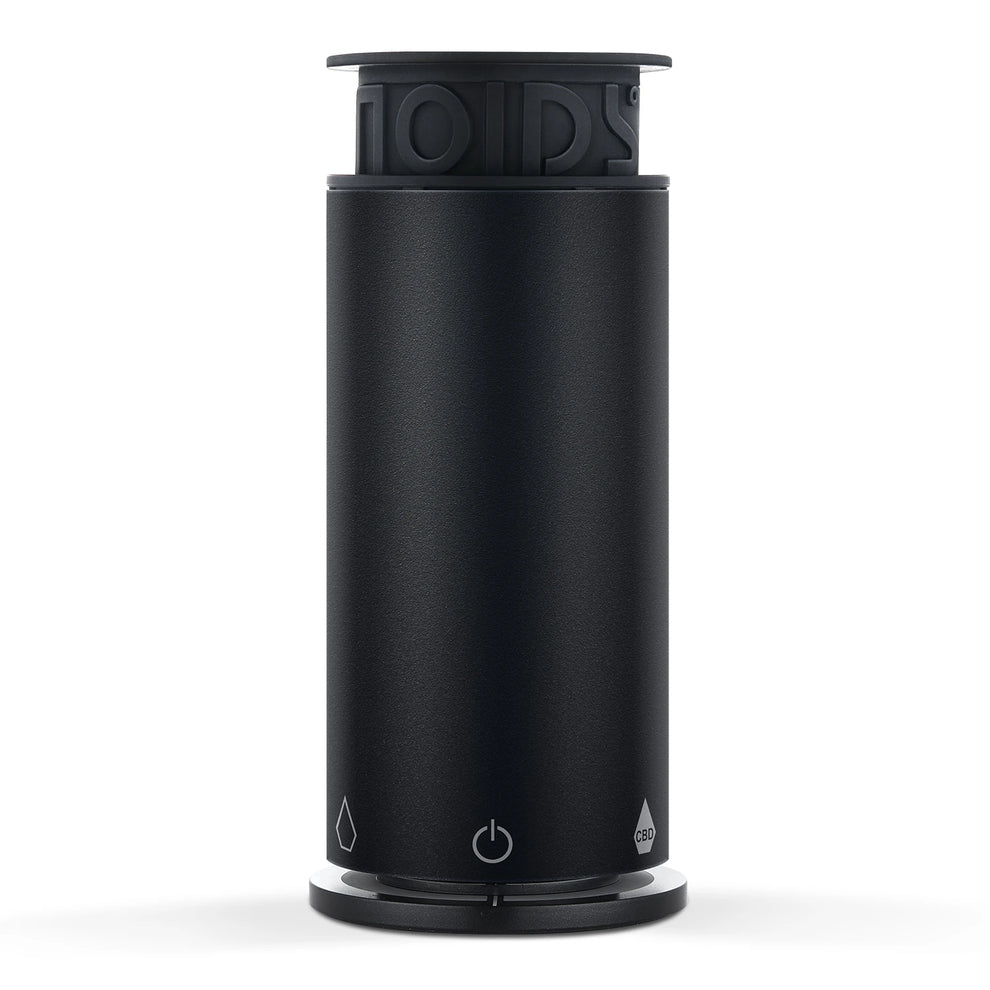
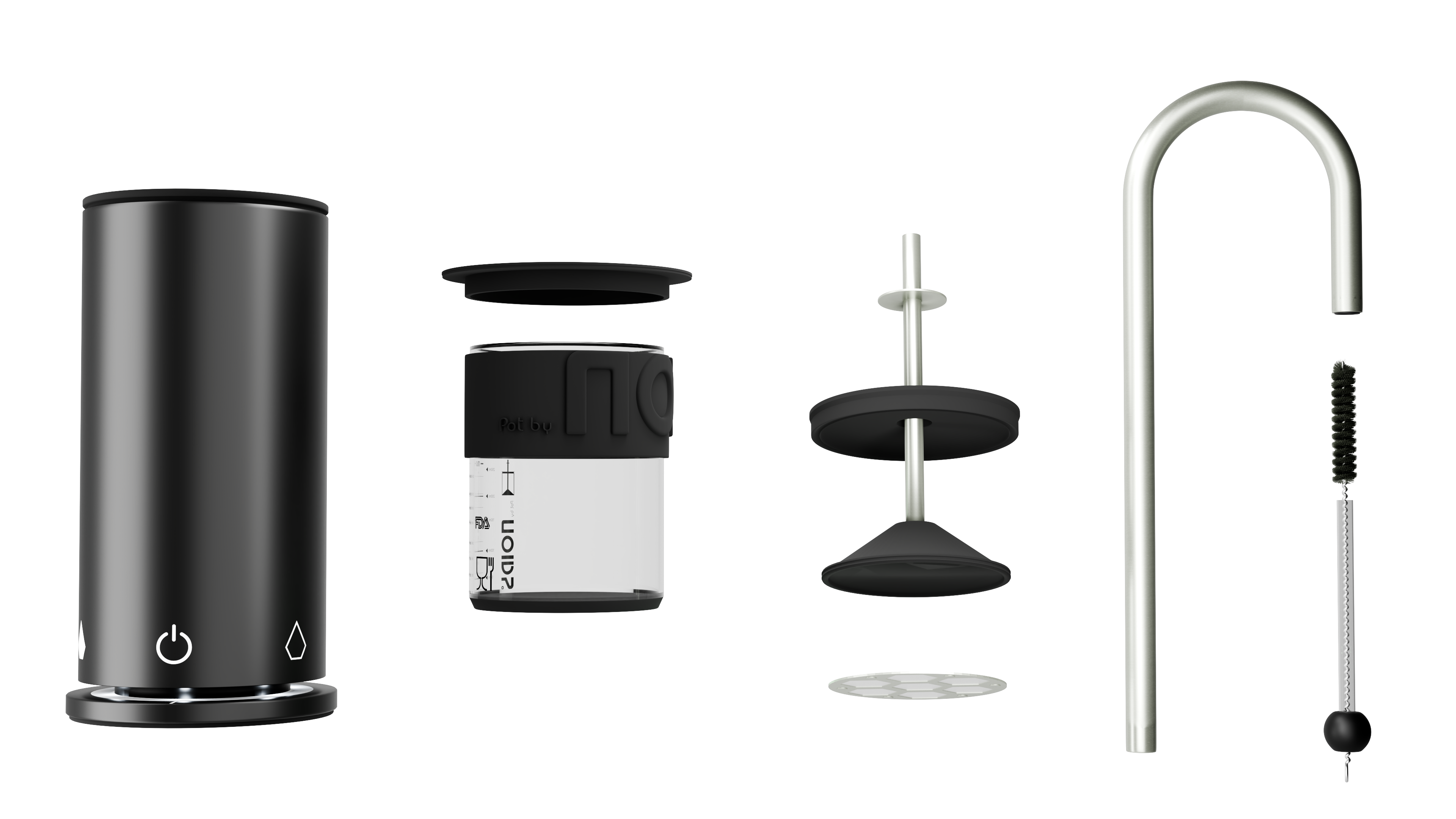
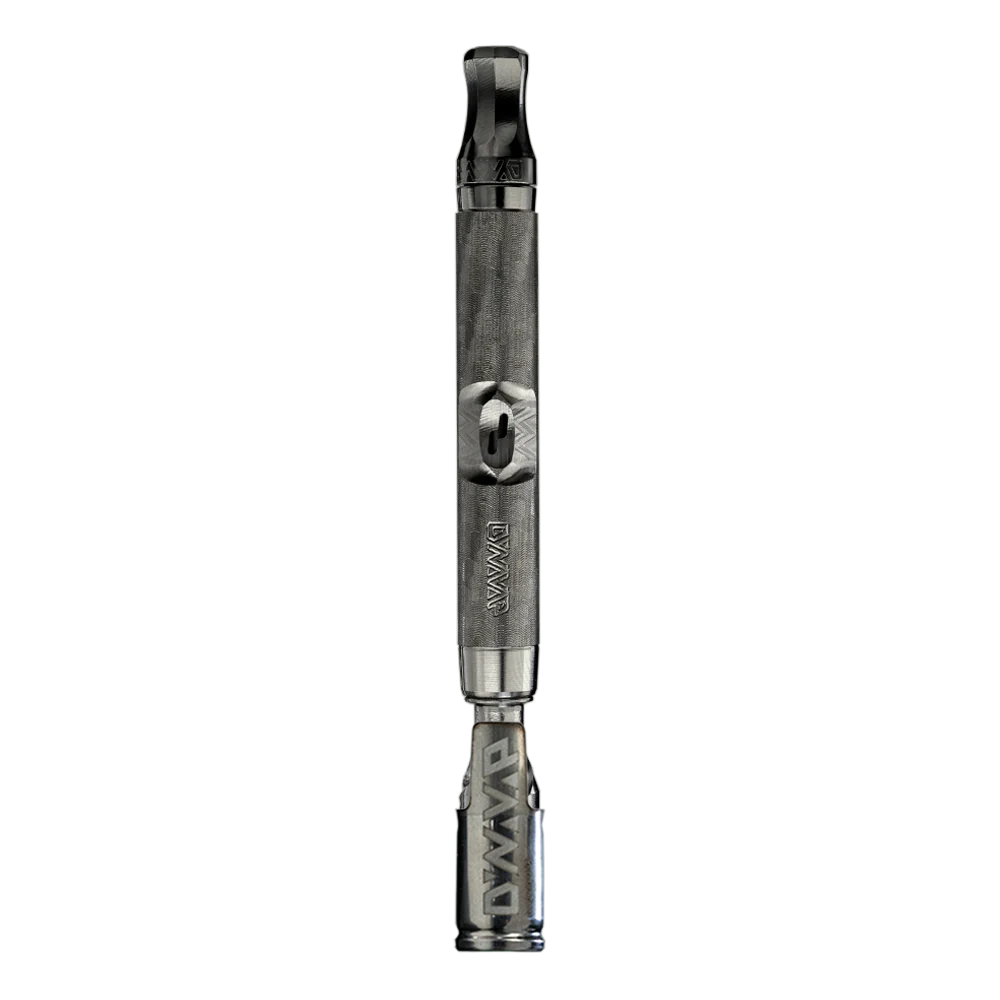
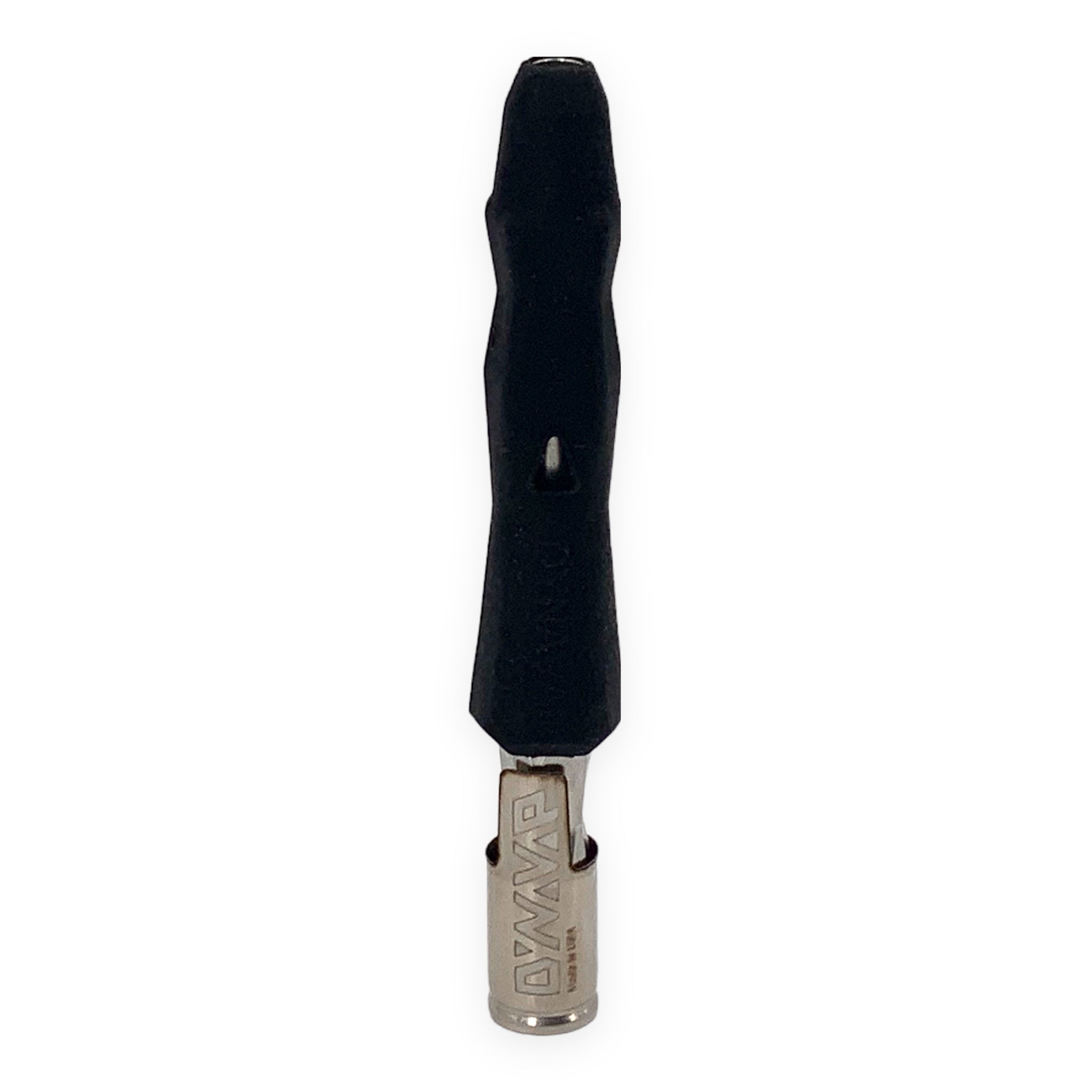
Well-known models like the PAX Vaporizer, the DaVinci Vaporizer, devices from FENiX, or vaporizers from Storz & Bickel, such as the Veazy and Venty, stand for quality, durability, and precise temperature control. They produce no smoke, but pure vapor that preserves the aroma and active ingredients. Whether you're looking for a compact pocket-sized or portable vaporizer, or a powerful desktop vaporizer, at 157 Degrees you'll find the perfect model to suit your style. We carry all the aforementioned brands and other premium devices that will take your vaping experience to the next level.
Benefits of vaping for taste, effect and health
-
Noticeably less strain on the respiratory system due to the absence of combustion.
-
Pure aroma, since medical cannabis does not burn.
-
More efficient operation through controlled temperature.
-
Less odor and easier cleaning, ideal if you want to buy your vaporizer online.
Vaporizing represents conscious consumption and a modern lifestyle. If you value quality and sustainability, you'll find the best selection of high-quality vaporizers for your everyday life at 157 Grad.
Conclusion: The joint between tradition, enlightenment and modern technology
The joint has undergone a remarkable evolution, from a rebellious symbol of a counterculture to a thoughtfully consumed product. Today, the focus is no longer on breaking taboos, but on the conscious use of cannabis. Education, quality, and personal responsibility characterize this new understanding of enjoyment. Those who educate themselves quickly realize that the method of consumption is crucial for both health and experience.
Knowledge is key to responsible use. Modern consumers pay attention to the origin, purity, and effects of their herbs. Exchange within communities, expert advice, and legal frameworks promote a healthier awareness of the topic.
Vaporizers play a central role in this development. They combine technology and enjoyment into a modern form of consumption that is less burdensome and more efficient. For many, this marks the beginning of a cleaner, healthier, and more informed herbal culture.